Top Reasons IT professionals are Choosing Homes in North Bangalore in 2026
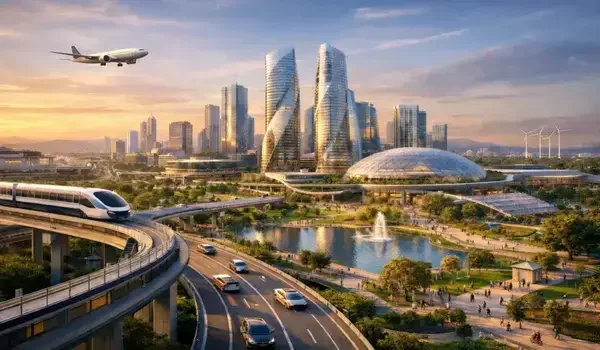
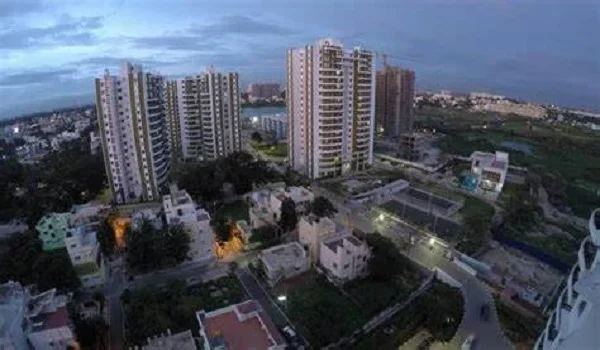
IT professionals are increasingly preferring to live in North Bangalore due to its unique combination of airport proximity, high-density IT job corridors, and a more spacious, green living environment compared to the saturated areas of South or East Bangalore. The KIADB Aerospace and IT Park and Devanahalli Business Park now have over 25% of the city's Global Capability Centres (GCCs). This has created many job opportunities, especially for software engineers and data scientists.
Key transport projects like the Namma Metro Blue Line and the Satellite Town Ring Road make travel easy. They offer smooth, signal-free roads and more predictable commute times. North Bangalore offers a better lifestyle, with large land areas that support spacious, low-density luxury townships, making it one of the best residential areas.
Property prices in the area are expected to grow by 12–15% each year. This is due to the growing IT Investment Region (ITIR) and steady demand for office space. Overall, North Bangalore is a strong choice for long-term growth, good job opportunities, and a better work-life balance.
1. Close to major IT hubs and tech parks
The main reason tech workers move north is the fast growth of special economic zones, which also drives demand for the best properties in North Bangalore.
- Direct access to Manyata Tech Park
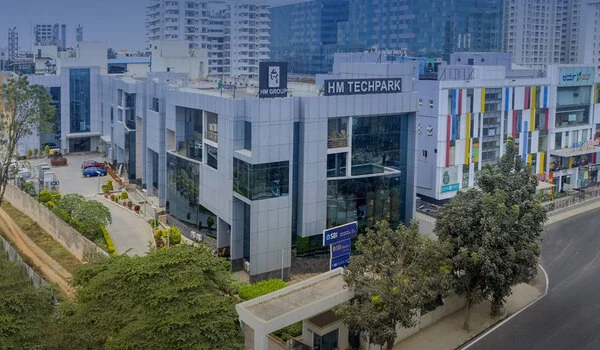
Manyata Embassy Business Park is the heart of North Bangalore's tech zone. It spans 121 acres and has over 15 million sqftof office space. More than 50 global firms work here. These include NVIDIA, IBM, Cognizant, and Nokia. By 2026, around 95,000 tech workers will be based at Manyata.
People who live nearby in Thanisandra or Hebbaloften reach work in just 15 minutes.
- KIADB Aerospace Park in Devanahalli
Further north lies the 3,000-acre KIADB Aerospace and IT Park (a hub for research and high-end manufacturing). Big names like Boeing, Airbus, Wipro Aerospace, and SAP Labs have set up here. The park draws well-paid tech workers. Homes near Devanahalli suit people who want a calm area close to work and the airport.
- New office zones on Thanisandra and Bagalur Road
Thanisandra Main Road and Bagalur Road now have many new offices. Bhartiya City IT Park is an integrated township where people living in Nikoo Homes nearby can walk to work. Smaller coworking spaces are also opening up. This is great for startup workers and freelancers. Most homes in this area are within 5 km of a workplace.
- Walking distance to work for GCC staff
Global Capability Centres (GCCs) are growing fast across Bangalore. North Bangalore gets about 30% of all new GCC offices. These firms like the North because of good roads, strong power supply, and easy airport access. Many residential buildings are within walking distance of offices.
Townships also support eco-friendly travel by reducing car use and depending on the Namma Metro Blue Line.
2. Great roads and transport
In 2026, infrastructure is the strong base of North Bangalore's real estate growth.
- The Blue Line Metro changes everything
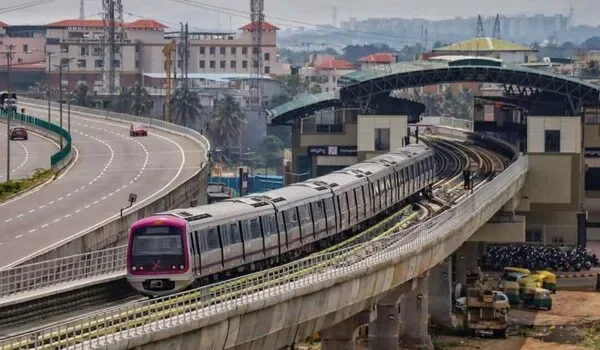
The Namma Metro Blue Line runs 58 km from Silk Board to the airport. It passes through Hebbal and Yelahanka. This metro cuts travel time by 40 to 60% compared to driving. Homes within 1 km of a metro station have gone up in price by 25 to 30%. IT workers are willing to pay more for easy travel. Major interchanges at Nagawara (Pink Line) and Hebbal (planned Orange Line) make it easy to travel across the city's tech areas.
- NH-44 expressway: fast road to the city
Bellary Road, also called NH-44, is the best road in Bengaluru. It has many flyovers and passes under bridges. A new four-lane elevated road from UAS Staff Quarters to Mekhri Circle will cut delays further. From Devanahalli or Sahakarnagar, you can reach the city centre in under 35 minutes. That kind of speed is hard to find in the eastern suburbs.
- The Bengaluru Business Corridor
The Bengaluru Business Corridor is a new 73-km ring road. It links Tumakuru Road in the North to Hosur Road in the south via Ballari Road. This connects North Bangalore to Whitefield and Sarjapur. So even if a company shifts east, residents can still commute. Phase 1 will be done by 2029. Land near the Yelahanka junction is already rising in value, approximately 20.1% to 27.8% as of Q1 2026.
- Airport proximity: a big plus
Tech workers who travel for work love living near the airport. From Devanahalli or North Hebbal, the airport is just 20 minutes away. Before, the same trip took two hours from other parts of the city. The area near the airport now has luxury shops (Sattva Aeropolis) and special economic zones. This steady demand keeps home values from falling.
| Infrastructure | Project status in 2026 | Benefit for workers |
| Blue Line Metro | Partial trial run | Fixed, reliable travel times |
| NH-44 expressway | Operational | Fast road to the city and the airport |
| The Business Corridor | Is being built | Linking Whitefield and Electronic City |
| Suburban Rail (K-RIDE) | Under construction | Train access to satellite towns |
3. Lifestyle and everyday needs
North Bangalore has grown from a developing area into a well-planned place to live, with all key facilities nearby.
- Shopping malls and entertainment
North Bangalore now has world-class malls. Phoenix Mall of Asia in Hebbal covers 1.2 million sq ft. It has top brands and fine restaurants to the North, a top weekend spot for the tech crowd. Bhartiya Mall of Bengaluru is part of a 125-acre township. It has high-street retail, cinemas and open spaces for events. Residents no longer need to drive to Indiranagar for a fun evening. RMZ Galleria also has an IMAX screen and coworking spaces inside.
- Good hospitals nearby
Families with children need hospitals they can trust. North Bangalore now has several top hospitals. Aster CMI in Hebbal is known for heart and brain care. Manipal Hospital in Hebbaloffers robotic surgery. Motherhood and Cloudninefocus on maternity and child care. These are a big draw for young tech families.
- Top schools in the area
North Bangalore is called the city's Knowledge Corridor. It has many well-known international schools. Stonehill International School has a large 34-acre campus with an IB programme. It is popular with expats and senior tech families. Canadian International School is India's first 100% solar-powered school. Vidyashilp Academy and Mallya Aditi are close to homes in Sahakarnagar and Yelahanka. Parents do not need to drive far for a good school.
4. Investment and property values
North Bangalore's property market offers strong returns, supported by the international airport and large tech SEZs, which keep demand high.
- Home prices have risen sharply
Between 2021 and 2026, North Bangalore led the city in price growth. Bagalur and Devanahallisaw prices rise 15 to 20% per year. The city average was just 8 to 10%. Homes within 1km of Yelahanka andHebbal metro stations rose by over 25% in two years. People who bought land in Bagalur in 2023 have nearly doubled their money.
- Rental income is strong
In Manyata and Thanisandra, over 95% of gated communities are rented out at all times. The city's average rental return is about 3%. In North Bangalore, it is 3.8 to 4.5%. Senior tech workers and GCC managers want large 3 and 4-BHK homes. This keeps rents high in Hebbal and Sahakarnagar.
- The DevanahalliAerotropolis
Devanahalli is becoming a full airport city. It covers over 450 acres. The plan will create over 300,000 jobs by 2028. These jobs are in IT, hotels, logistics, and event spaces. Even during slow times in tech, other sectors keep demand for housing strong. Office space is being leased faster than homes are being built. This pushes property prices up.
| Area | Avg price (2026) | 3-year rise | Main reason |
| Hebbal | ₹11,000 – ₹16,000/sqft | ~45% | Connectivity and luxury demand |
| Thanisandra | ₹8,500 – ₹11,500/sqft | ~35% | Manyata Park and metro access |
| Bagalur | ₹5,500 – ₹7,500/sqft | ~65% | Aerospace park and low entry cost |
| Devanahalli | ₹6,000 – ₹9,000/sqft | ~50% | Airport city and plot demand |
5. Homes built for tech workers
In 2026, regular apartments are being replaced by campus-style living.
- Modern townships
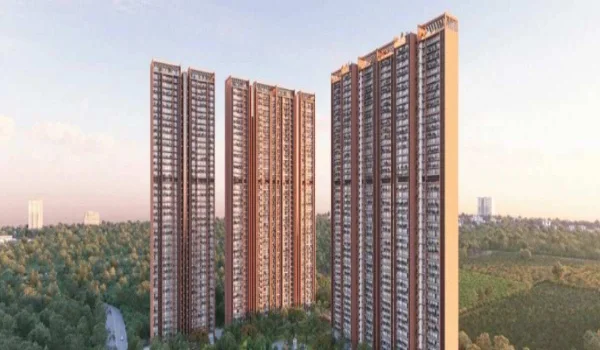
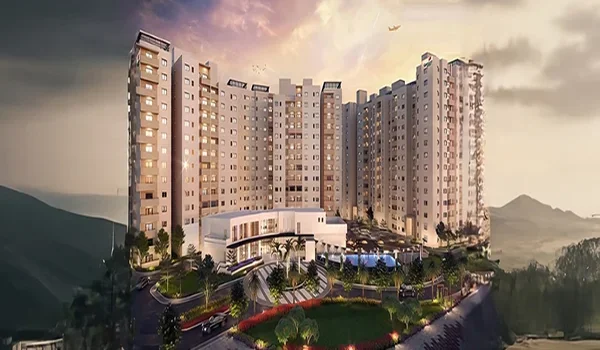
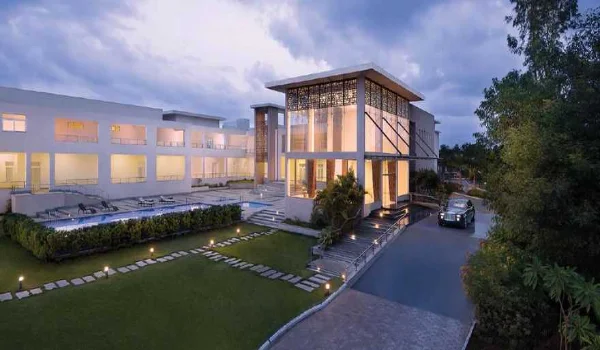
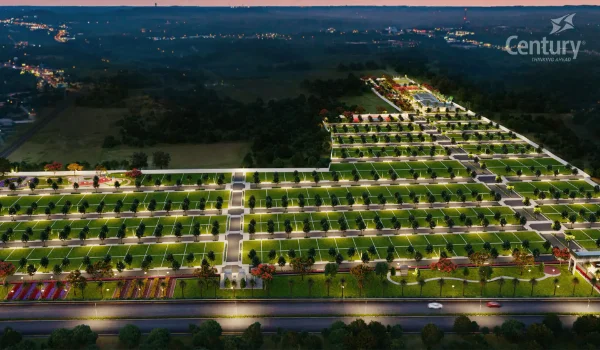
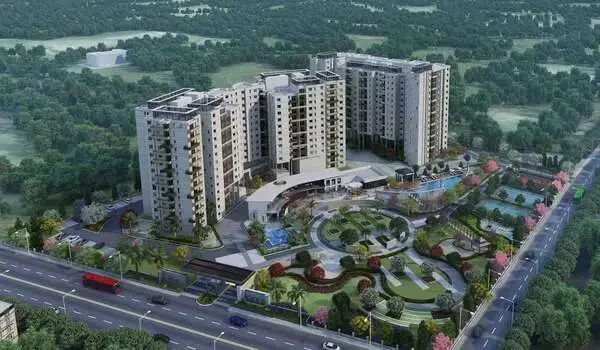
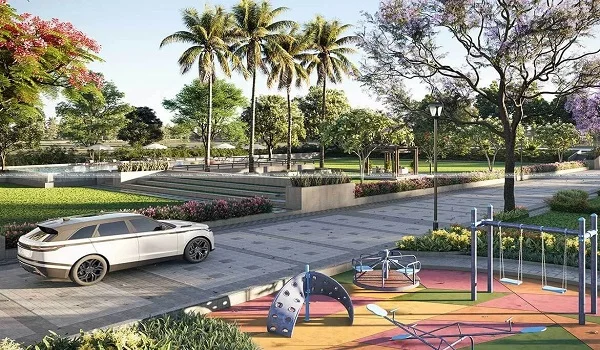
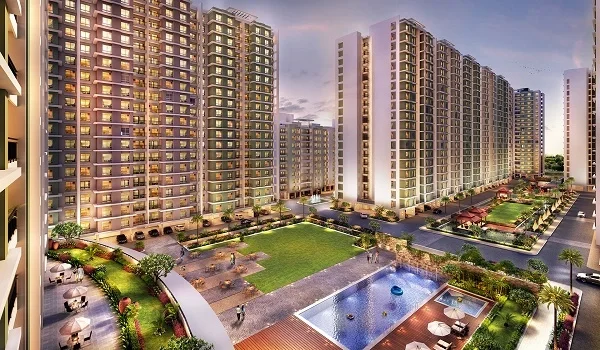
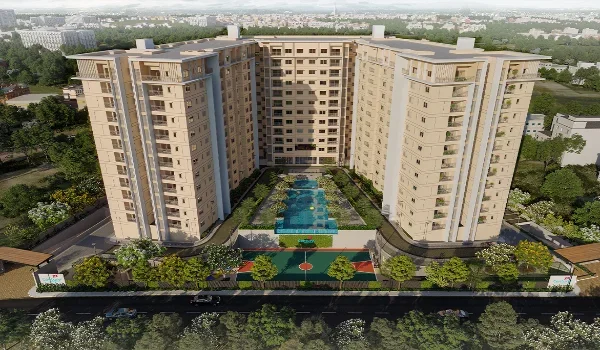
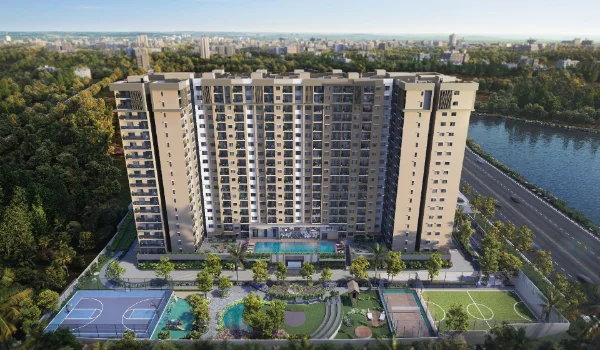
North Bangalore has many large townships built for today's tech workers that offer resort-style living. Projects in Thanisandra and Devanahalli have fast fibre internet, coworking rooms, and 24/7 backup power. Security uses three-layer digital security and app-based visitor entry. These homes come with 50+ amenities, like Olympic pools, top-grade gyms, and pet parks. They promote work-life balance.
- Smart homes are now standard
By 2026, smart features will come built into most new homes. Smart locks, automated climate control, and EV chargers in every parking bay are common. Builders know that tech workers feel stress at work. So homes are designed with natural light and cross-ventilation. Many units have balconies for urban farming and rooms built to reduce noise during video calls.
- More space for your money
In Whitefield or Sarjapur, flats tend to be small. In North Bangalore, land parcels are larger. A 3 BHK home in the North gives 20 to 30% more floor space than in the East. Many projects keep a low Floor Area Ratio (FAR) with open views of Nandi Hills or Hebbal Lake. The same budget that buys a small 2 BHK in the city centre can get a large 3 BHK with an extra WFH studio in the North.
6 Future of the North Bangalore housing market
North Bangalore's long-term growth is supported by government plans that focus on different industries and better transport, making it stand out from older, crowded tech areas.
- Suburban rail is coming
The Bengaluru Suburban Rail Project will connect more areas to the North. Corridor 4 will link Rajanukuntein the North to Heelalige in the south. This gives tech workers from satellite towns a train option. New industrial zones near Doddaballapur and Devanahalli will focus on Industry 4.0 robotics and advanced electronics. Over 200,000 new professional jobs are expected by 2028. This will keep homes full and rents strong.
- Green and planned growth
North Bangalore is planned better than the East. Roads are wider, with some parts of the PRR up to 300 ft, and the drainage works well, so flooding happens less often. Lakes like Jakkur Lake, Hebbal Lake, and Hesaraghatta Lake are protected, which helps keep the air cleaner and the area cooler. New homes in 2026 also use recycled water for gardens and have proper waste management systems.
Conclusion
North Bangalore is no longer just an area near the airport. It is quickly becoming one of the main places in the city for both living and working.
For IT workers, it offers shorter commutes, a better lifestyle, and strong returns on property. Whether you want to live near Manyata or invest near the airport, this area has something for every stage of your career. People who buy here today are likely to be at the heart of Bangalore's growth for years to come.
Frequently asked questions
1 How does the Job-to-Roof ratio in the KIADB Aerospace Park impact investment returns?
In 2026, the KIADB Aerospace Park will have more jobs than homes, as professionals from Boeing and Foxconn move in. This has raised rental returns to 4.8%–5.2% and could drive 15–20% price growth, making it a good time to invest.
2. Why is North Bangalore's 15-Minute City model preferred over established hubs like Whitefield?
Unlike East Bangalore, North Bangalore townships like Bhartiya City and Manyata Tech Park follow a "15-minute city" model, with offices close to homes and safe walking and cycling paths. In 2026, this "walk-to-work" lifestyle has led to a 25% higher price for nearby homes.
3. What is the impact of the 2026 Lake Buffer Zone regulations on long-term property value?
Under the 2026 lake rules, building is limited within 30 meters of Jakkur Lake and Hebbal Lake, reducing the new supply. This increases the value of existing homes, with better views and a cooler environment. Thus, property prices remain stable over time.
Century Real Estate Prelaunch Project is Century Kindle.